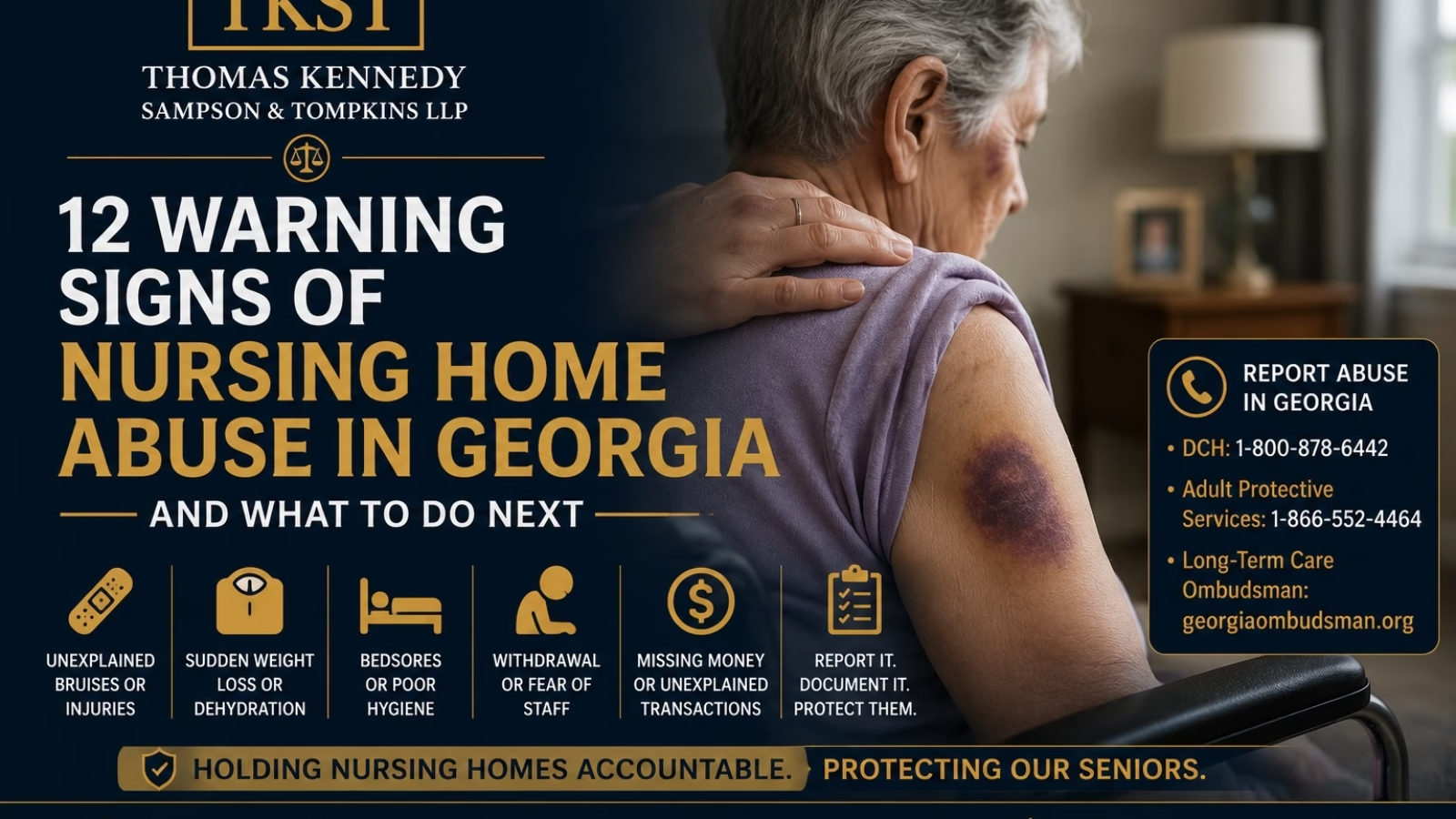
The most common warning signs of nursing home abuse are unexplained injuries (bruises, fractures, burns), sudden weight loss or dehydration, poor hygiene, bedsores, emotional withdrawal or fearfulness around staff, and unexplained financial transactions. If you see these signs in Georgia, report them to the Department of Community Health at 1-800-878-6442 and document everything.
Families are usually the first — and sometimes the only — line of defense for a nursing home resident. Abuse and neglect are chronically underreported because residents may be unable to communicate, afraid of retaliation, or ashamed. Here are the signs to watch for, grouped by the type of mistreatment they suggest.
Signs of Physical Abuse
1. Unexplained bruises, cuts, or burns — especially in patterns (grip marks on arms, marks from restraints on wrists or ankles)
2. Fractures or repeated “falls” with vague or shifting explanations
3. Staff refusing to leave you alone with your loved one during visits
Signs of Neglect
4. Sudden weight loss, malnutrition, or dehydration — often the first visible sign that basic care isn’t happening
5. Bedsores (pressure ulcers) — advanced-stage bedsores are almost always preventable with proper repositioning and are a red flag for systemic neglect
6. Poor hygiene — soiled clothing or bedding, unwashed hair, untrimmed nails, odors
7. Medication errors — missed doses, oversedation, or a resident who seems unusually drowsy or “zoned out”
8. Untreated medical conditions or infections that were reported but never addressed
Signs of Emotional Abuse
9. Withdrawal, depression, or unusual silence, especially in a previously social person
10. Fearfulness, flinching, or anxiety around specific staff members
Signs of Financial Exploitation
11. Unexplained withdrawals, missing belongings, or new “arrangements” — changed wills, added account signers, unpaid bills despite adequate funds
12. Pressure to sign documents the resident doesn’t understand
How to Report Nursing Home Abuse in Georgia
If your loved one is in immediate danger, call 911 first. Otherwise, Georgia gives you three official channels:
Where to report | Contact | When to use it |
|---|---|---|
| DCH Healthcare Facility Regulation | 1-800-878-6442 | Licensed nursing homes and long-term care facilities |
| Adult Protective Services (DHS) | 1-866-552-4464 | Abuse of adults 65+ or disabled adults, including outside facilities |
| Long-Term Care Ombudsman | georgiaombudsman.org | Resident advocacy; complaints can remain anonymous |
Georgia law also makes many professionals — doctors, nurses, facility staff — mandatory reporters, meaning they are legally required to report suspected abuse. A facility that ignored internal reports may face additional liability.
Document as you go: photograph injuries and living conditions, keep a dated journal of visits and conversations, save financial statements, and request your loved one’s complete medical chart in writing.
When Abuse Becomes a Legal Claim
Reporting protects your loved one. A civil claim holds the facility financially accountable — and is often the only thing that changes corporate behavior. Depending on the facts, a claim may involve:
– Negligence — understaffing, inadequate training, failure to supervise
– Medical malpractice — when negligent clinical care (medication errors, untreated infections, unmonitored conditions) causes harm; see our medical malpractice practice page for how these claims work
– Wrongful death — when neglect or abuse contributes to a resident’s death, the family may bring a claim under Georgia’s wrongful death statute
Most claims must be filed within two years, and medical malpractice claims in Georgia require an expert affidavit at filing — one more reason not to wait. Our guide on how long you have to file a personal injury claim in Georgia explains the deadlines, and how personal injury settlements work in Georgia covers what to expect from the process.
Should You Move Your Loved One First?
Safety comes first — but if you can, consult an attorney before the move. Transferring facilities can make evidence (staff schedules, chart records, surveillance) harder to preserve. An attorney can send preservation letters the same week.
Talk to an Atlanta Nursing Home Abuse Attorney
Thomas Kennedy Sampson & Tompkins LLP — Georgia’s oldest Black-owned law firm — represents families across metro Atlanta and Georgia in nursing home abuse and neglect cases. Our Atlanta nursing home abuse lawyers can investigate, preserve evidence, and pursue every responsible party. Contact us for a free consultation or call (404) 688-4503.
FAQ
What are the first signs of nursing home neglect?
Sudden weight loss, dehydration, poor hygiene, and bedsores are usually the earliest visible signs. Advanced bedsores in particular almost never occur with proper care.
How do I report nursing home abuse in Georgia?
Call the Department of Community Health, Healthcare Facility Regulation at 1-800-878-6442 for licensed facilities, or Adult Protective Services at 1-866-552-4464. In emergencies, call 911. The Long-Term Care Ombudsman also accepts anonymous complaints.
Can I sue a nursing home in Georgia?
Yes. Facilities can be held liable for negligence, medical malpractice, and wrongful death. Claims generally must be filed within two years, and malpractice claims require an expert affidavit.
Can a nursing home retaliate against my loved one for a complaint?
Retaliation is illegal. Anonymous complaints through the Long-Term Care Ombudsman are one option for families who fear retaliation while the resident remains in the facility.
What compensation is available in a nursing home abuse case?
Medical costs, relocation expenses, pain and suffering, and — in death cases — the full value of the resident’s life under Georgia’s wrongful death law. Punitive damages may be available for egregious conduct.